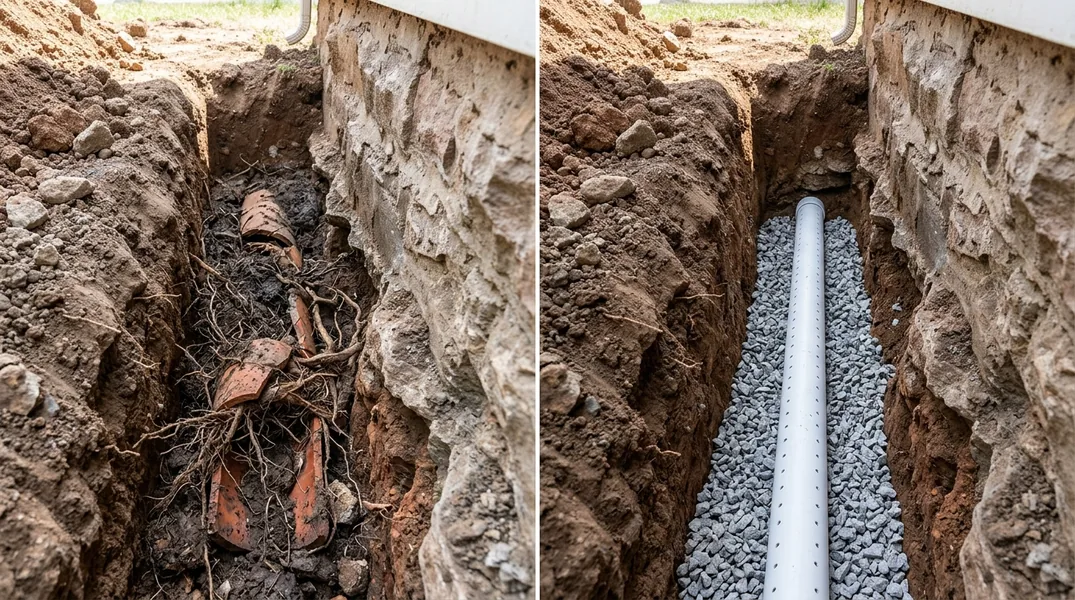
Why Older Homes in Fayetteville Face Unique Foundation Challenges
Homes built decades ago in Fayetteville carry a certain charm that newer construction simply cannot match. But that charm often comes with foundation systems that were built using methods and materials we would not rely on today. Many of these homes sit on stone or brick foundations, have shallow footings, and lack the modern drainage systems that protect newer builds from water intrusion. Over time, the soil movement, seasonal moisture swings, and natural aging of these materials create conditions where foundation trouble can quietly develop.
The local climate adds another layer of complexity. Fayetteville experiences wet springs and occasional dry spells, and that cycle of swelling and shrinking soil puts constant pressure on older foundation walls. If you own a historic or mid-century home, understanding what to look for below grade is the first step toward protecting your investment. Recognizing the early signs of foundation problems signs can save you from costly structural repairs down the road.
Basement Wall Cracks: What They Mean and When to Worry
Not every crack in a basement wall is a red flag, but in older homes, certain patterns deserve immediate attention. Hairline cracks in poured concrete are often just shrinkage cracks and may be harmless. However, if you see horizontal cracks, stair-step cracks in block walls, or cracks wider than a quarter inch, these are classic basement wall cracks that suggest structural movement or hydrostatic pressure from saturated soil. In stone foundations, look for crumbling mortar joints, shifting stones, or white powdery deposits (efflorescence) that indicate water is pushing through the masonry.
Any crack that lets water in during heavy rain is a sign that your home needs professional evaluation. Ignoring these warning signs allows water to widen cracks through freeze-thaw cycles and weaken the entire wall system. If you notice multiple cracks or one that seems to be growing, it is time to call a professional for a thorough assessment. Addressing these issues early is far less expensive than waiting for a wall to fail.
Bowing Stone Walls and Other Structural Red Flags
A bowing stone wall is one of the most serious signs of foundation distress in older homes. When a stone or brick foundation wall begins to lean inward, it usually means the soil outside is saturated and applying pressure the wall was never designed to handle. You might notice the wall bulging at the middle, gaps opening at the top or bottom, or doors and windows on the floor above sticking and jamming. These are not cosmetic issues. They indicate that the structural integrity of your foundation is compromised and require prompt professional intervention.
Other red flags include uneven floors, sloped thresholds, and cracks in interior drywall that radiate from corners of door frames. In historic homes, original materials like lime mortar were softer and more forgiving, but they also erode faster when exposed to chronic moisture. A professional assessment can determine whether the bowing is active and recommend solutions such as wall stabilization, carbon fiber reinforcement, or exterior drainage improvements to relieve the pressure.
Historic Home Waterproofing: Protecting Character and Structure
Owners of older and historic homes often worry that waterproofing will damage the character of their property. The good news is that modern Basement Waterproofing techniques can be tailored to preserve historic materials while effectively managing water. For example, an Interior Drain Tile System captures water at the base of the wall and directs it away without disturbing the exterior facade. When exterior work is necessary, Exterior Basement Waterproofing can include gentle excavation and modern drainage membranes that protect the original foundation without altering its appearance.
Historic home waterproofing is about more than keeping the basement dry. It is about stabilizing the foundation so the house can stand for another century. Proper Foundation Waterproofing addresses the root cause of water intrusion, whether that is poor grading, clogged gutters, or a failed drainage system. If you are unsure where to start, a professional can evaluate your home and recommend a plan that respects its age and architecture.
Foundation Problems Signs Near Me: When to Call a Professional
If you have noticed any of the warning signs discussed above, it is time to bring in an expert. Older home foundation repair is not a do-it-yourself project, and delaying an inspection can lead to more extensive and expensive damage. A professional evaluation will identify the source of the problem and outline a repair strategy that fits your home and budget. Whether you are in Fayetteville or nearby communities like Springdale or Farmington, local experts understand the soil conditions and construction styles common to the area.
At Fayetteville Waterproofing, we specialize in diagnosing and repairing foundation issues in older homes. We offer free estimate appointments so you can understand exactly what is happening below grade and what it will take to fix it. Do not wait for a small crack to become a major structural problem. Call us today at (479) 318-0517 to schedule your inspection and take the first step toward protecting your home.
Looking for a professional basement waterproofing contractor in Fayetteville? Fayetteville Waterproofing responds fast for all your basement waterproofing needs.
Get a Free QuoteOur services: Basement Waterproofing · Interior Drain Tile System · Exterior Basement Waterproofing